
Contents Restoration and Storage in Sioux Falls
Contents restoration and storage in Sioux Falls and surrounding areas. Insurance billing accepted. Call (605) 965-2727.
When a pipe bursts or a fire tears through a kitchen, the structure gets most of the attention, but the things inside the house are often what homeowners grieve most. A grandmother’s quilt saturated with Category 2 water. A leather sofa coated in oily smoke residue. A child’s artwork warped by humidity. Contents restoration exists precisely because those items deserve a disciplined recovery process, not a dumpster. Done right, it can save 60–80% of what looks unsalvageable at first glance.
What Contents Restoration and Storage Actually Involves
Contents restoration is the systematic cleaning, deodorizing, and, where necessary, off-site storage of the personal property inside a damaged structure. It runs parallel to structural drying or debris removal, not after it.
The work breaks into three overlapping tracks:
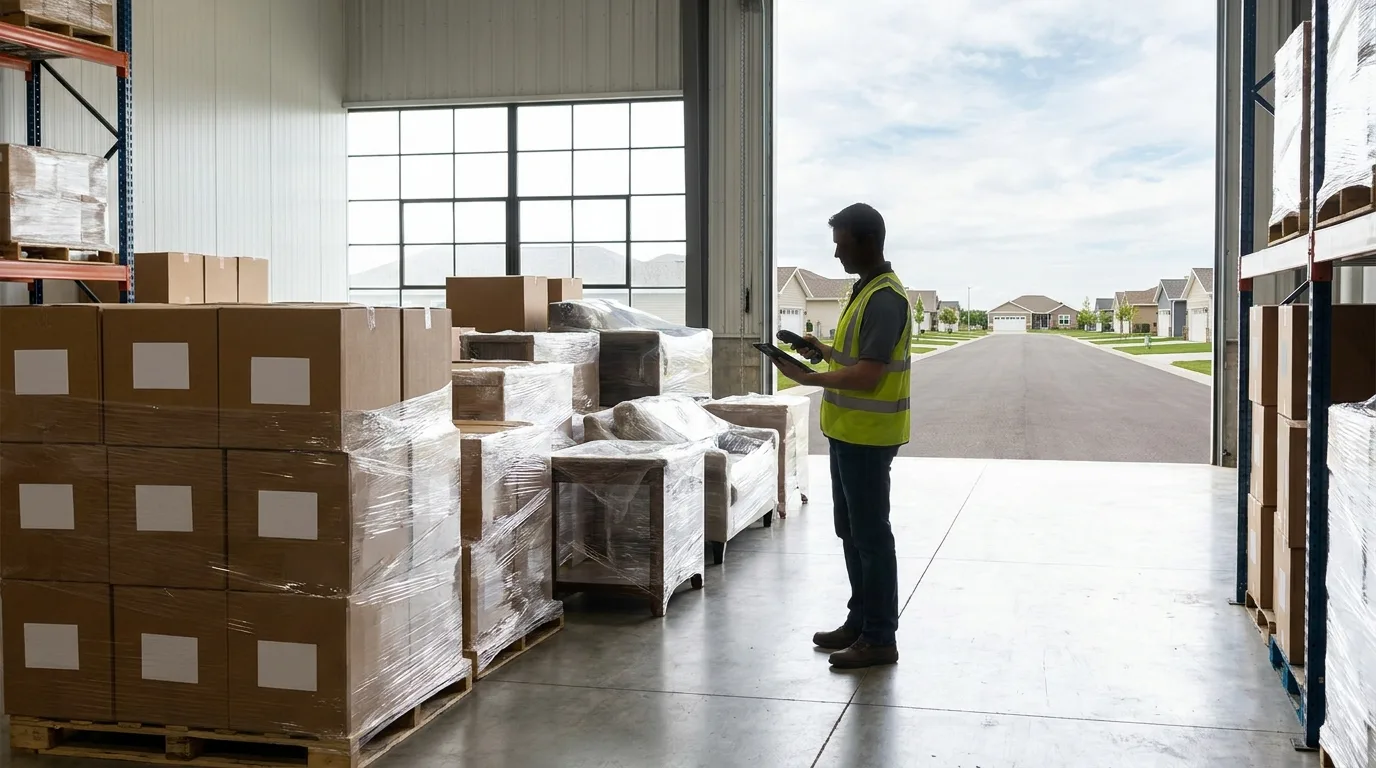
Pack-out and inventory. Every item leaving the home is photographed, barcoded, and logged before it moves. This isn’t just good practice, it’s the documentation an insurance adjuster needs to approve replacement or restoration line items. A missing inventory is one of the most common reasons contents claims get delayed or reduced.
Cleaning and restoration. Different damage types require different chemistry. Smoke-damaged textiles need dry-side cleaning before any wet process touches them, because water can set protein soot permanently. Water-damaged electronics require controlled drying in low-humidity chambers before anyone attempts to power them on. Wood furniture warped by moisture may respond to controlled humidity re-acclimation rather than replacement. Ultrasonic cleaning tanks remove soot and residue from hard goods, ceramics, tools, collectibles, without abrasion.
Climate-controlled storage. While the structure is being dried, rebuilt, or remediated, contents live in a secure, climate-controlled facility. South Dakota’s swing between January cold and July humidity means an uncontrolled warehouse can cause secondary damage, mold on textiles, checking on wood furniture, that undoes the restoration work.
Timeline varies by loss size and damage type. A single-room pack-out may take one day; a whole-house fire pack-out can run three to five days of field work, followed by weeks of cleaning at the facility.
Our Process
-
Pre-pack documentation. Before anything moves, every room is photographed and video-documented in place. Items are sorted on-site into three categories: items that can stay, items that need off-site restoration, and items that are beyond recovery. Honest triaging at this stage saves homeowners from paying to restore things that should be claimed as total losses.
-
Itemized pack-out and chain of custody. Each salvageable item is wrapped, boxed, and assigned a unique identifier tied to a digital inventory. The homeowner receives a copy. This log becomes the backbone of the insurance contents claim, line by line, with pre-loss value estimates where applicable.
-
Damage-specific cleaning. At the restoration facility, items are cleaned using the method matched to the damage: ultrasonic tanks for hard goods with soot or residue, ozone chambers for smoke odor in soft goods, controlled drying for water-saturated items, and dry-cleaning or Esporta washing for textiles. Deodorization is addressed at this stage, not masked, thermal fogging or hydroxyl generation for persistent smoke odor rather than fragrance sprays.
-
Climate-controlled storage. Restored and in-process items are held in a secure, humidity-monitored facility until the home is ready to receive them. Homeowners can request access to retrieve essential items, documents, medications, clothing, without disrupting the broader inventory.
-
Pack-back and placement. When the structure is cleared, contents are returned, unwrapped, and placed room by room against the original documentation. Any items identified as damaged during storage are flagged for the adjuster before the homeowner signs off.
What Separates a Good Contents Response from a Bad One
The most common failure in contents restoration is speed without discipline. A crew that packs a house in four hours without a proper inventory may move fast, but they hand the homeowner a problem: when the adjuster asks what was in box 14, nobody knows.
A second failure point is applying the wrong cleaning method. Wet-wiping protein soot, the kind left by cooking fires or candle smoke, drives it deeper into porous surfaces. Textiles with dry soot need vacuuming with HEPA filtration before any moisture is introduced. Operators who skip characterization and go straight to cleaning can permanently set stains that would have come out with the right sequence.
Insurance adjusters look specifically for: a complete line-item inventory with pre-loss value, documentation of cleaning method by item category, and a clear record of what was deemed non-restorable and why. Missing any of these creates friction at settlement.
Storage conditions matter more than most homeowners realize. A facility without humidity control in Sioux Falls, where summer dew points regularly climb into the 60s, can introduce mold to textiles within 48–72 hours. Ask any storage provider what their target relative humidity is and how it’s monitored.
What Does Contents Restoration and Storage Cost?
Typical costs depend heavily on the size of the loss, the type of damage, and how many items require off-site cleaning versus simple pack-and-store. Most homeowners pay somewhere in the ranges below, these are industry-typical figures, not quotes.
| Scenario | Typical Range |
|---|---|
| Single room, pack-out and cleaning (water damage) | $1,500 – $4,000 |
| Single room, smoke-damaged contents | $2,500 – $6,000 |
| Whole-house pack-out, water damage | $8,000 – $20,000 |
| Whole-house pack-out, fire/smoke damage | $15,000 – $45,000 |
| Climate-controlled storage (per month) | $300 – $900 |
| Ultrasonic cleaning, hard goods (per load) | $200 – $600 |
Every loss is different, square footage, item density, damage category, and cleaning complexity all shift the number. Crew Restoration & Construction provides a written scope of work before any cleaning or pack-out begins, so there are no surprises at invoice. Homeowners insurance typically covers contents restoration and storage when the loss is caused by a covered peril (fire, sudden water discharge, storm); the key is that the claim is documented before items are moved or discarded.
Seasonal and Regional Considerations
Sioux Falls and the surrounding eastern South Dakota region create a specific contents risk profile. Frozen pipe losses spike between December and March, often discovered after a weekend away, meaning contents may have been sitting in standing water for 48 hours or more before anyone calls. That timeline pushes many losses from Category 1 (clean water) into Category 2 territory, which changes both the cleaning protocol and what can be salvaged.
Summer storm season brings a different problem: hail-broken windows and roof damage that lets rain into finished living spaces, often soaking upholstered furniture and area rugs that were otherwise undamaged. Humidity in July and August means mold colonization on wet textiles can begin within 24–48 hours of saturation, which is why prompt pack-out matters even when the structural damage looks minor.
Service Area
Crew Restoration & Construction handles contents restoration and storage in Sioux Falls and throughout the surrounding region, including Brandon, Tea, Harrisburg, Dell Rapids, Baltic, and Canton. The city-specific pages for each community link back here for the full process detail, the work is the same regardless of zip code.
If your home or rental property has been damaged and you’re looking at a room full of smoke-damaged furniture or water-soaked belongings, call (605) 965-2727 to arrange a contents assessment and pack-out. The sooner items are documented and moved to a controlled environment, the more of them come back.
Frequently Asked Questions
Does homeowners insurance cover contents restoration and storage?
What's the difference between items that can be restored and items that should be claimed as total losses?
Why does smoke damage require different cleaning methods depending on the type of fire?
How is my property tracked while it's off-site in storage?
How long does contents cleaning typically take before my belongings can be returned?
Looking for the best contents restoration and storage company in Sioux Falls?
Crew Restoration & Construction provides licensed and insured contents restoration and storage in Sioux Falls, SD and the surrounding area. Customers rate us 4.9 out of 5 stars across 554 Google reviews. We answer calls 24/7 — call (605) 965-2727 for immediate help.
Request a Free Contents Restoration and Storage Estimate
Tell us what happened and we'll get back to you fast — usually within one business hour.
Need Contents Restoration and Storage now?
We respond 24/7 across Sioux Falls and surrounding SD cities.
Related Coverage
- Our Restoration Services
- Contact Crew Restoration & Construction
- Contents Restoration and Storage in Adrian
- Contents Restoration and Storage in Akron
- Contents Restoration and Storage in Alton
- Contents Restoration and Storage in Baltic
- Contents Restoration and Storage in Beresford
- Contents Restoration and Storage in Brandon
- Contents Restoration and Storage in Brookings
- Contents Restoration and Storage in Canton
- Contents Restoration and Storage in Crooks
- Contents Restoration and Storage in Dakota Dunes
- Contents Restoration and Storage in Dell Rapids
- Contents Restoration and Storage in Edgerton